Thank you for writing to us. One of our executive will reach back to you through your submitted medium. In case there’s an urgency, feel free to connect over WhatsApp for faster response.
Prefer calling? Dial +919156593771 (International callers) or +919156593771 (Indian callers).
Sabai grass or Eulaliopsis binata is a type of wild grass that grows in the forest fringe areas of West Bengal and Odisha. A tough fibre, the Sabai Grass is easy to work with, light, and can be dyed easily. The handmade Sabai products come in various styles from planters, storage baskets, fruit baskets and boxes to mats, coasters, handbags, wall décor, and even furniture. These intricately hand-woven products are naturally made, hence making them eco-friendly and environmentally sustainable. The products are durable and long-lasting, and so they’re definitely a value for money. Most Sabai made items retain their natural yellow ochre/whitish color, but these days, with the rising popularity of these handmade articles, natural and vegetable dyes are used by the artisans to color the Sabai strands and add a splash of color to the products. Azo-free dyes are also used sometimes, to elevate the look of the items. What’s important is that not only are the products attractive to look at, they’re also non-toxic and eco-friendly
Sabai grass or Eulaliopsis binata is a type of wild grass that grows in the forest fringe areas of West Bengal and Odisha. A tough fibre, the Sabai Grass is easy to work with, light, and can be dyed easily. The handmade Sabai products come in various styles from planters, storage baskets, fruit baskets and boxes to mats, coasters, handbags, wall décor, and even furniture. These intricately hand-woven products are naturally made, hence making them eco-friendly and environmentally sustainable. The products are durable and long-lasting, and so they’re definitely a value for money. Most Sabai made items retain their natural yellow ochre/whitish color, but these days, with the rising popularity of these handmade articles, natural and vegetable dyes are used by the artisans to color the Sabai strands and add a splash of color to the products. Azo-free dyes are also used sometimes, to elevate the look of the items. What’s important is that not only are the products attractive to look at, they’re also non-toxic and eco-friendly.
Madurkathi Mats of Bengal. Made of Madur Sticks (Madurkathi) by artisans of Midnapore, West Bengal, India. Its a well knitted mat - tough and durable, madur stick are weaved with designed with black strings and edges are well protected with stitched black cloth strips to increase the durability and enhance the looks. Ideal for everyday regular use. Can be washed with water and soap. Recommended for drying in little sunlight after every wash and even after day to day use. Better to keep in dry place during monsoon. If not used for months or more - recommended to store inside a closed box or bags - preferably in minimum humid place.100% Eco Friendly. Add a royal elegance to your home with this. More Designs & colors Available
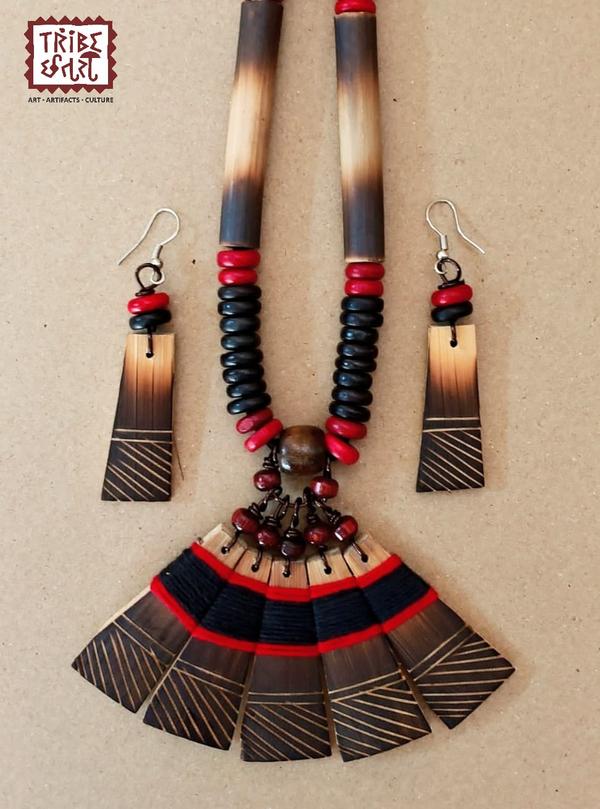
The Indian state of Meghalaya is rich in bamboo and cane resources and boasts a history of using these materials for construction and daily items. Cane and bamboo crafts occupy an important place in the local economy of the state, with artisans rendering items of daily use as well as fine-quality decorative pieces. Bamboo is the tallest grass existing in the world. It can fight with fungus and bacteria on its own. The tensile strength is much more than that of steel. Bamboo and cane crafts of Eastern India are environment friendly products which possess their individual features and style. They have successfully replaced the demand for wooden objects by producing various forms of utility and decorative artefacts. Basket weaving is an ancient art in India. Indigenous communities develop special shapes and patterns of baskets based on their local traditions, needs and techniques
Bamboo is the tallest grass existing in the world. It can fight with fungus and bacteria on its own. The tensile strength is much more than that of steel. Bamboo and cane crafts of Eastern India are environment friendly products which possess their individual features and style. They have successfully replaced the demand for wooden objects by producing various forms of utility and decorative artefacts. Bamboo and cane furniture of Eastern India are popular throughout the country, mainly due to their durability and sophisticated appearance. Basket weaving is an ancient art in India. Indigenous communities develop special shapes and patterns of baskets based on their local traditions, needs and techniques.